1. Define the household
List the furniture, cartons and stored possessions you intend to take. Mark uncertain items and send measurements for large or awkward pieces. Include garages, lofts and any separate collection address.
UK to Canberra international removals
A move from the UK to Canberra should be planned around the receiving home, not simply an Australian arrival point. Tell us whether you are moving directly into a house, joining a managed apartment building or using temporary accommodation before choosing a permanent address. Your quotation enquiry should connect the household inventory with the actual ACT destination and the work needed after international clearance. An apartment in the centre and a family house with a long approach may require very different delivery arrangements, even when the furniture list is similar. Send the full address, access photographs and any fixed employment or tenancy dates so the possible service can be assessed on useful information.
Build your removal around the household you are taking, the home you are leaving and the property that will receive it. Discuss packing, transport, documents and delivery as one written scope, with responsibilities and any exclusions made clear before booking.

Use this guide to prepare the information that a removal assessment needs. Start with the local address and household decisions, then compare the service options and confirm the documents and receiving arrangements. The wider guide to moving to Australia can help connect the physical shipment with your personal relocation plans.
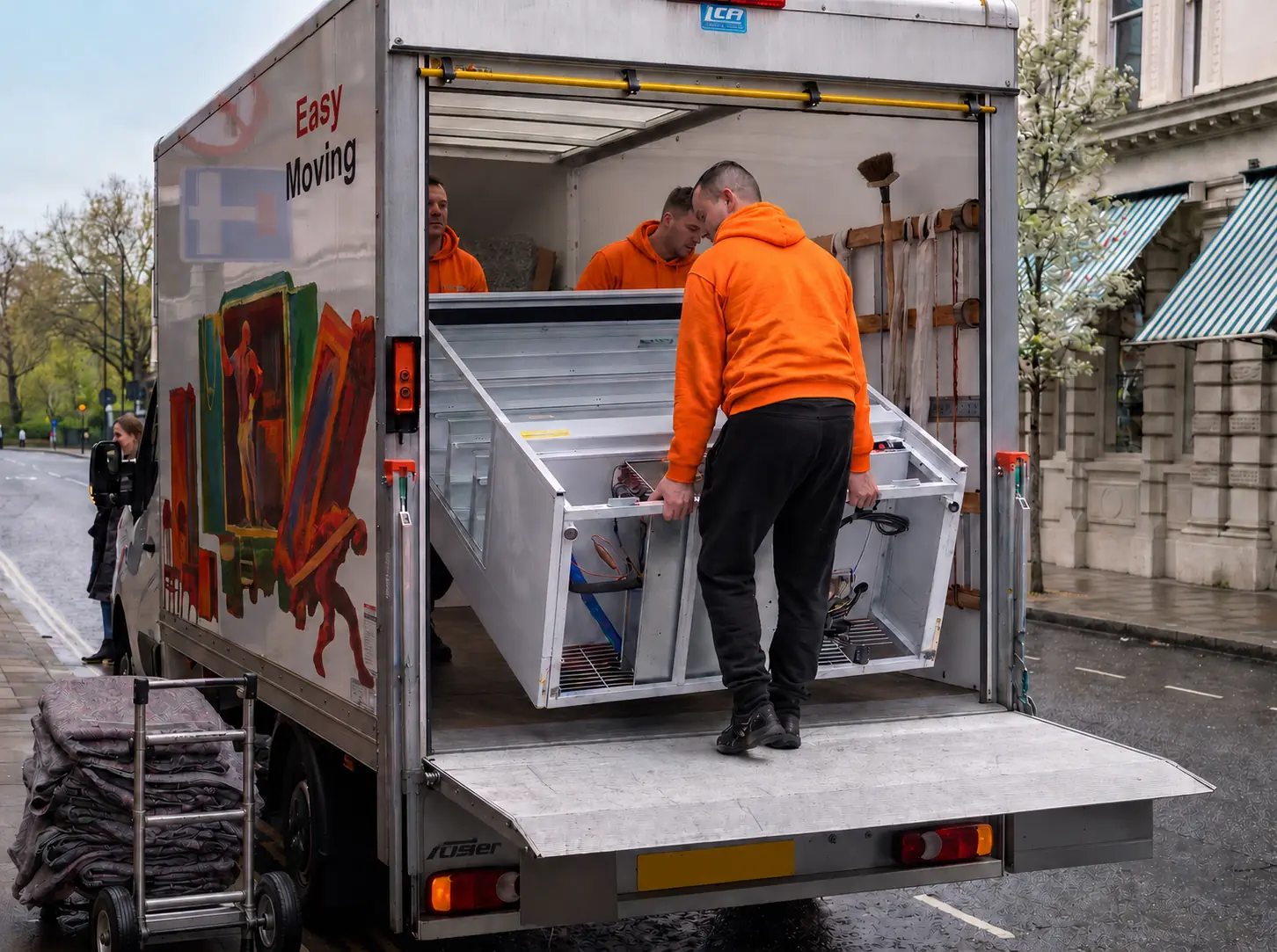
Start by deciding which parts of the move you want to arrange yourself and which you want assessed by the removal team. A household that needs packing, furniture preparation and help at delivery has a different brief from someone who has already packed a small flat. For a move between the UK and Canberra, describe the complete job before comparing transport options. Include the rooms, storage spaces and separate addresses that form part of the enquiry, even when you have not yet decided what to take.
A survey should connect that inventory with the work at both properties. Show the contents of cupboards rather than only their closed doors, explain what is staying behind and identify the items you are still deciding about. If you use a video survey, begin outside and follow the carrying route into each room. Keep a separate list of objects that need measurements, photographs or another assessment. A remote conversation cannot settle every question about an uncertain entrance or an unusually heavy piece.
Ask the written proposal to separate collection, export packing, transport, clearance coordination and delivery. Include dismantling, reassembly, unpacking and removal of used packing materials as named tasks where you want them considered. This gives you a practical scope to confirm, rather than relying on a broad description such as a complete move. Record the work you will finish before collection so preparation responsibilities are clear on both sides.
A useful removal plan turns the information from your enquiry into a sequence of agreed tasks. Begin with the collection address and the intended destination, then separate confirmed facts from assumptions. If you are still choosing a property, provide the location you expect to use and explain what remains open. A proposal based on an accessible ground-floor home should be reviewed if the actual destination becomes an upper-floor apartment with a long carrying route.
List the furniture, cartons and stored possessions you intend to take. Mark uncertain items and send measurements for large or awkward pieces. Include garages, lofts and any separate collection address.
Discuss the survey, packing, transport stages, document responsibilities and destination work. Ask which arrangements remain provisional and what needs to happen before a date or price can be confirmed.
Keep the inventory, access instructions and receiving contact up to date. Confirm the booking in writing, complete your preparation tasks and retain first-use essentials outside the shipment.
Keep one current version of the working list. When furniture is sold, extra cartons are added or the receiving date changes, send the update to the named removal contact instead of relying on a comment made during an earlier conversation. Changes can affect labour, packing materials, space and onward delivery. Ask for their effect on the scope and charges to be confirmed before collection. The same principle applies if an employer is paying: identify who can approve an altered proposal and which costs remain your responsibility.
Arrange the personal side of your journey separately from the freight timetable. Keep identification, keys, medicines, work equipment you immediately need and essential clothing with you, subject to your passenger-carrier requirements. Make a workable plan for your first days in Canberra without depending on the household arriving at the same time as your flight. Our moving checklist can help organise those separate actions.
Discuss shared-container and sole-use-container proposals against the actual inventory. Shared space may be worth assessing for a smaller household, while a larger load may justify comparing a dedicated container. The amount of furniture, export packing and handling requirements determine the useful comparison; a bedroom count alone does not establish the space required. Ask which option is available for the proposed route and how the destination stages will be coordinated.
Air freight can be discussed separately for a carefully selected group of essentials. It is not automatically the right choice for heavy furniture or an entire household. Ask how the goods will be measured, which items are accepted, how they must be packed and which destination charges are included. If you split goods between air and sea, make separate inventories and ensure the relevant documents describe the correct shipment rather than mixing two packing lists.
Confirm where the quoted transport responsibility ends. Arrival at a seaport or airport, release from the import process and delivery into your home are different stages. Ask who handles each one, whether intermediate handling is expected and how the final appointment will be arranged. Include the full Canberra address in the assessment, not just the arrival port or the city name. Identify storage, inspections and exceptional access as separate questions where they may affect the plan.
Plan around a collection window, the proposed international transport, clearance and a receiving appointment rather than relying on a single end-to-end promise. Request the current estimate for the service being offered and ask which events can change it. If an employer, school start or tenancy gives you a fixed personal date, keep a first-use group with you and discuss any temporary accommodation or storage needs before the main household is packed.
The useful starting point for a price is the actual household and the access evidence. The number of bedrooms alone does not establish the volume: two homes of the same size can contain very different amounts of furniture, books, tools and stored possessions. Explain the material and dimensions of large pieces, how many cartons are already packed and which cupboards remain to be assessed. Include changes you expect between the survey and moving day.
Compare proposals against the same inventory, dates and addresses. Check whether packing materials, labour, furniture preparation and final room placement are included. A low headline figure is difficult to interpret if another proposal includes work you would otherwise arrange separately. The table below provides questions to ask; it is not a price list or a promise that every item is included in a standard service.
| Part of the move | Question to settle before booking |
|---|---|
| Contents and volume | Does the proposal cover the complete surveyed inventory and every agreed collection address? |
| Preparation | Who packs, supplies materials and prepares furniture or appliances? |
| Property access | Are the stated floors, carrying distances, parking arrangements and any additional handling included? |
| Transport and delivery | Where does the quoted responsibility end, and what receiving work is included? |
| Changes or delays | How would waiting, a different date, storage or additional goods be priced and confirmed? |
| Goods cover | What protection, valuation information, conditions and reporting process apply? |
Ask for any exclusions and possible additional charges to be explained before you accept. For a move involving a managed building, a difficult approach or a gap between homes, describe that situation explicitly instead of leaving it as a general contingency. If a service or charge is not clear, request a written clarification and keep it with the quotation. A useful comparison ends with a scope you can recognise on moving day, not just a total you have copied into a spreadsheet.
Separate the dates that matter. These include when you must leave the collection property, when goods can be collected, when you can access the destination and when someone can receive the delivery. They may be different dates, and a provisional property timetable is not the same as a confirmed removal booking. Tell the planner which commitments are fixed and which still depend on a landlord, solicitor, employer or building manager.
Work backwards from the earliest fixed commitment. Allow time to decide what travels, complete the survey, agree the scope and prepare the goods. Ask when your final inventory and access information are needed. If your preferred date is approaching before the property position is settled, discuss the available options and their conditions rather than assuming capacity will remain available. Explain any weekday, building-hour or receiving-person constraints when first requesting the quotation.
Use a short written action list with a named person against each task. That might include confirming keys, arranging a loading position, preparing an appliance, measuring a bed frame or providing a document. Share changes promptly. If collection and delivery cannot connect as planned, agree whether the alternative is another date, temporary accommodation with essentials kept separately, or a defined storage stage. Confirm the revised arrangement before the change affects the working day.
A good inventory helps the survey, packing and delivery team identify the same possessions. Give each room a consistent name and use it on your list, carton labels and destination plan. Describe a large cabinet or dining table clearly enough to distinguish it from another item. Photograph pieces that dismantle into several parts and keep the instructions where they can be found without opening unrelated cartons.
Agree the packing method around the contents. Glass, ceramics, framed pictures, polished surfaces and heavy book collections need different preparation from clothing and linen. Discuss packing requirements before buying materials or sealing everything yourself, particularly where a specialist item needs inspection. Keep carton weights manageable, protect the contents against movement and do not rely on a fragile label to compensate for inadequate internal protection. Ask which materials and methods are suitable for the agreed service.
Identify the work involved in taking furniture apart and putting it back together. Show fixings, wall attachments and any component that cannot be removed safely. Keep labelled fittings with the relevant piece in an agreed place. Appliances need their own preparation plan: establish who will disconnect, drain, clean and secure them, and whether a qualified person is required for any part of that work. Do not treat those tasks as automatically included in furniture handling.
Before the final packing session, remove the items you need to carry personally. Documents, keys, medicines, payment cards, essential chargers and a change of clothing should remain accessible. Make one clear first-use group for the home, such as bedding and basic kitchen items, and tell the receiving person how it is labelled. Check cupboards, lofts and outside stores against the agreed list before collection finishes.
Australian Border Force identifies the B534 statement for unaccompanied personal effects. Biosecurity assessment is a separate part of the import process: customs eligibility does not remove it. Check both the declaration and the packing list with the appointed representative before collection. Read the Australian Border Force: unaccompanied personal effects alongside the instructions for your own consignment.
Create a document checklist with the appointed customs representative. Ask which identity, residence, ownership and destination records apply to you, how supporting evidence should be supplied and when missing information would affect the shipment. Keep the owner’s name, addresses and dates consistent between the inventory and the information used for the declaration. If your arrival or destination changes, tell the representative before the documents and working plan begin to describe different moves.
Separate used household possessions from new purchases, gifts, inherited items, business stock and goods belonging to an employer. These categories should not be hidden under a general description such as personal effects. Explain the circumstances and retain the relevant records so the applicable treatment can be checked. An employer paying the removal invoice does not by itself establish ownership of every item, and buying a property does not by itself settle household-import eligibility.
Ask which charges are included in the removal proposal and which could remain payable separately. Possible inspections, taxes, treatment, storage and additional handling should be discussed in the context of the actual consignment, not assumed to be covered by a broad phrase such as customs support. This service guide is planning information, not a personal tax ruling or a substitute for the import instructions that apply when your goods travel.
Also review the Australian agriculture department’s household-goods guidance. Identify outdoor equipment and any items that have been exposed to soil or organic material before packing. Keep the location of goods requiring attention clear on the packing list, and obtain the applicable cleaning and presentation instructions for the shipment.
Show the planner any batteries, aerosols, paints, fuel-powered equipment, food, plants, medicines, alcohol or specialist collections you are considering sending. Acceptance for transport and permission to import are separate checks. Obtain the applicable instructions before sealing cartons, and remove anything that cannot be included. Do not use a previously accepted parcel or another customer’s move as proof that an item can travel in your household consignment.
Prepare vehicles and pets as separate enquiries if they form part of the wider relocation. They have distinct transport and entry requirements and should not be treated as ordinary furniture. Provide the destination and relevant details before asking what coordination is possible. Our Australia removals page provides the wider country context, while the receiving-address sections below focus on your local move.
Ask the proposal to identify the final-delivery stage explicitly. Do not assume that an Australian port or depot named in a shipping discussion is the end of the quoted move, or that an international container will necessarily be taken to the front of the home. Establish where responsibility changes, what handling is anticipated and who contacts the receiving person before delivery is agreed.
Give the planner one clear destination record: postcode, suburb, street number, unit number where applicable and the person authorised to receive the goods. If the destination is provisional, distinguish the address used for correspondence from the property where furniture will actually be unloaded. A change from temporary accommodation to a permanent home should be reviewed before it changes the delivery plan.
For a household arriving before the furniture, keep the first weeks practical. Identify the possessions you can carry personally, what the accommodation already provides and which important items can wait for the shipment. This is a planning exercise rather than a promise of a particular arrival interval.
Show the complete carrying route, including any driveway incline, gates, steps and turn into the front door. A photograph of an open garage does not establish whether the proposed vehicle can approach it safely or whether the larger furniture will pass through the internal entrance. Include the dimensions of a tall bookcase, rigid sofa or desk that cannot be reduced to smaller parts.
For an apartment, ask management which entrance is used for removals and whether a lift booking, protective coverings or nominated receiving hours need to be agreed. Record the distance from the unloading position to the lift and from the lift to the apartment. Check the lift opening as well as the cabin dimensions, because both affect whether a piece can be carried through.
Keep a short list of unresolved questions and allocate each one to someone who can answer it. A landlord, agent or building manager may need to supply access information before a delivery proposal can be settled.
Do not use a grassy verge as an assumed extension of the driveway. ACT City Services explains that nature strips are public land and that vehicle parking on them is prohibited. Ask the delivery planner to review a lawful stopping position rather than reserving an informal place yourself.
Send photographs taken in both directions along the street. Identify signs, marked bays, driveway crossings and anything that narrows the usable approach. If an entrance is shared with other homes, explain how it will remain available during the work. A space that appears empty during a viewing may be occupied when the household arrives, so the plan should not depend on a casual observation.
Record who will verify the proposed arrangement with the relevant authority or property manager. If additional carrying or a different vehicle is required, ask how that assessment affects the written scope before the delivery day.
Review the garage, garden store and sports equipment separately from the indoor furniture. DAFF's household-goods guidance asks importers to check biosecurity conditions and clean and dry goods exposed to soil, plants, animals, food or water. Flag uncertain items before packing.
Build an identifiable list for bikes, camping equipment, gardening tools and outdoor furniture rather than hiding them under a single garage heading. Photograph components and include the proposed cleaning work in your preparation list. Let cleaned equipment dry fully before it is wrapped; do not use wrapping to conceal an unresolved condition question.
Separate possessions you no longer want from those you intend to ship. A move is easier to assess when the survey reflects the final selection, including outdoor items that might otherwise be added late. Tell the planner if an item still needs review so it is not treated as an agreed part of the load.
Australian Border Force explains the B534 statement for unaccompanied personal effects. Ask the appointed clearance representative which supporting documents apply to your circumstances and when they are needed. Eligibility is not established simply because the goods are used.
Keep the name of the owner, inventory descriptions and destination details consistent across the move records. Identify new purchases and employer-owned equipment separately. An employer-funded relocation and an employer-owned item are different matters, and the distinction should not be left for the receiving team to guess.
Before delivery, give the receiving contact a room plan and a priority list. Show where large pieces should go before cartons occupy the floor. Agree who can answer placement questions, check package numbers and record any concern. If you are starting work before the main shipment arrives, arrange a contact who can genuinely manage that handover rather than someone available only to open a door.
Discuss the applicable goods cover before confirming the booking. Ask for the terms, valuation requirements, limits and exclusions, and explain any unusually valuable, fragile or specialist item during the survey. Different arrangements may treat owner-packed cartons, pre-existing damage or mechanical faults differently. Use the actual written terms for your booking rather than assuming a phrase such as insured removals settles every circumstance.
Keep a useful condition record before packing: photographs of delicate surfaces, a clear item description and any relevant purchase or valuation information. Tell the planner about a loose joint, an earlier repair or a part that no longer operates. This helps the handling discussion and gives you a more reliable record than trying to reconstruct the condition after the move. Store these records with your quotation and inventory so the receiving contact can access them if necessary.
At delivery, compare arriving packages with the inventory and record visible concerns through the agreed process. Ask what the team needs noted before they leave, how to report an issue discovered during unpacking and which time limits apply under the relevant terms. Keep the associated packaging and supporting photographs while an issue is being reviewed. Confirm who will handle that communication if someone else is receiving the household on your behalf.
If the destination is not ready for the complete household, divide the plan into named stages. List what you need immediately, what can wait and what you may need to access while it is stored. A packed carton is harder to retrieve sensibly if nobody knows whether it contains everyday clothes, archived paperwork or decorations. Consider the later delivery when choosing the groups, not only the first collection.
Discuss storage and onward delivery as part of a defined proposal. Ask how goods will be received into storage, what access arrangements are possible, what notice is needed for release and how a changed period would be handled. Confirm whether the later destination has already been surveyed and how a different address or carrying route would affect the plan. Keep your contact details and receiving instructions current throughout the gap.
Prepare a simple destination room plan before the delivery day. Give the receiving person the inventory, the location of keys and any building instructions, together with authority to answer placement questions. Put large pieces in their agreed positions before filling the rooms with smaller cartons. Keep an entrance route clear and make separate arrangements for children or pets. Finish with a shared understanding of outstanding unpacking, reassembly and packaging tasks, then keep the delivery record with the rest of your move paperwork.
Planning the opposite journey? Use our moving from Australia to the UK guide and provide the actual collection address, UK destination, inventory and dates. Your earlier outward move can help identify possessions, but it does not establish the volume, access, price or customs circumstances of a return journey.
If some belongings remain in Australia or will follow later, identify them as a separate group when requesting the return quotation. Explain who owns and releases any stored goods and whether you will be present at collection. Prepare a fresh receiving plan for the UK address, including parking, stairs and the person who will check delivery.
Yes, ask the written scope to identify the final Canberra address and the work after arrival and clearance. A port or depot reference does not by itself confirm home delivery. Establish who coordinates the receiving appointment, any additional handling and any separate charges before comparing proposals.
Do not assume that it can. ACT City Services describes nature strips as public land and prohibits vehicle parking on them. Send access photographs and have the proposed stopping position checked. A different approach, longer carry or further assessment may need to be included in the delivery plan.
Show the unloading position, entrance, corridors, lift opening and cabin, apartment doorway and any stairs. Ask management about receiving hours and lift arrangements. Include measurements for rigid furniture and identify who can confirm unclear access information before the household is packed.
Identify them separately for review before packing. Check current Australian biosecurity conditions and explain how items exposed to soil or water will be cleaned and dried. Tell the planner about any uncertain materials or contents; do not treat sports equipment as automatically exempt from inspection.
Say so at the enquiry stage and distinguish temporary accommodation from the intended delivery property. Discuss the possible storage and onward-delivery arrangement, including how a later address would be assessed. Keep essential documents and belongings with you so your initial accommodation does not depend on immediate household delivery.
Agree the actual receiving contact and their authority in advance. They need keys, the inventory, placement instructions and a way to reach you. If the delivery is to a home rather than an office, confirm access directly; an employer arranging the relocation does not replace the property-specific receiving plan.
The quotation should follow the inventory, preparation work, journey and access at both properties. Include storage areas, extra stops, heavy items and the tasks you want assessed. Ask how the proposal handles packing, carrying distances, waiting and changes. The number of bedrooms is useful context, but it does not replace a survey of the household and the actual route.
Provide both complete addresses, preferred dates, a room-by-room list and photographs of the entrances and largest pieces. Say which items are staying, what is still undecided and whether the destination is confirmed. Include separate collection locations and building instructions. This gives the planner a usable brief and makes it easier to identify anything needing further measurement or assessment.
Enquire once you have a likely route and a useful outline of the household. Explain which dates are provisional and which are fixed, and update the planner as the property position develops. Ask about availability and booking conditions for your preferred period. Do not assume an early discussion reserves a date: obtain the actual booking confirmation and complete the agreed preparation.
A video survey can help show the rooms, stored contents and carrying route. Start outside, open cupboards and include loft, garage or garden-store contents that belong in the move. Have measurements ready for large pieces. Ask whether any uncertainty requires a further assessment; a camera view alone may not resolve tight clearances, difficult ground conditions or a specialist handling question.
Describe the specific furniture and cartons, their dimensions where useful, and both properties. Ask what service can be considered for that inventory and timing rather than assuming a small load follows a parcel-service model. Packing, access and any additional stage still need agreement. Include the largest individual piece, since a small total volume can still involve demanding handling.
Agree the division of packing work before you start. Explain which cartons you will prepare and which fragile or bulky pieces you want assessed for professional packing. Ask about suitable materials, labelling, inventory requirements and the applicable conditions for owner-packed goods. Keep the contents identifiable and tell the planner if your packing decisions change the agreed volume or preparation work.
Check the proposal rather than assuming they are. Ask which cartons, wrapping and protective materials are included, how any delivery or collection of materials works, and what happens if the quantity changes. Explain special needs such as pictures, hanging clothes or a large book collection. Materials and packing labour are separate questions and should both be clear in the written scope.
Use the same destination room names on the cartons and room plan, with a brief description of contents and an identifying number if agreed. Mark a first-use group clearly and keep its contents practical. Put labels where they can be read when packages are stacked. Avoid vague room names that mean different things to you and to the person receiving the delivery.
Send the revised list as soon as the decision is made. Added items can affect volume, packing, labour and the proposed vehicle or transport arrangement; removing goods may also change the scope. Ask for the quotation and inventory to be updated where necessary. Include replacements and new purchases, not just extra cartons, so the team plans for the household that actually travels.
Identify the particular pieces, their construction and any assembly instructions during the survey. Ask which dismantling and reassembly tasks can be included and who prepares wall attachments or fitted furniture. Keep labelled fixings with the matching item in an agreed place. An item that was assembled inside a room may need separate access assessment even when it can be partly dismantled.
Agree responsibility for disconnection, draining, cleaning and securing each appliance before collection. Follow the manufacturer's instructions and arrange a suitably qualified person where the task needs one. Ask whether reconnecting at the destination is included or needs a separate appointment. Furniture handling should not be treated as an automatic agreement to carry out gas, electrical, plumbing or installation work.
Describe each item separately and send measurements, photographs, materials and any handling information you have. Explain the entire route at collection and delivery. Ask what assessment and preparation are required before it is included in the quotation. Do not leave a specialist piece hidden within a general room description, and provide relevant valuation information when discussing the applicable goods cover.
Request the actual terms for the proposed move, including valuation requirements, limits, exclusions and the procedure for reporting an issue. Identify valuable and fragile possessions during the survey and ask how owner-packed goods are treated. Keep the written information with your quotation and inventory. Choose your arrangements from those terms and your household's needs rather than relying on a general description of cover.
Notify the removal contact as soon as the uncertainty is known and identify who can confirm access. Discuss the available alternatives, such as another receiving date or a storage stage, and ask how waiting or changed arrangements would be handled. Keep first-night essentials separate. A property transaction or tenancy timetable should be communicated alongside the removal plan, not assumed to guarantee access.
Back up important files before the move and keep essential work devices with you where practical and permitted by your carrier. Photograph cable connections, identify detachable parts and discuss protective packing for screens and delicate equipment. Tell the planner about batteries and any specialist requirements before packing. Keep passwords and personal records secure, and follow the manufacturer’s handling and preparation instructions.
Ask about the specific storage arrangement, available access and notice requirements before the goods are packed. Separate anything you will need frequently and make its location clear. Access may involve preparation or handling that needs its own agreement. Confirm release and onward-delivery arrangements as well, particularly if the final home or the intended storage period has not yet been settled.
Have the quotation state the receiving work you want included. Room placement, opening cartons, unpacking fragile goods, reassembly and removal of used materials are distinct tasks. Agree how far the delivery team will take each one and what you will finish afterwards. Identify any building requirements for clearing corridors or taking materials out, and retain packaging associated with an issue being reviewed.
Use our moving from Australia to the UK guide for the reverse direction and send a fresh inventory, collection address and UK destination. Explain your dates, any goods remaining in storage and who will handle the handover. The scope and import requirements need to be assessed for the new journey, rather than carried over from the outward booking.
Official guidance reviewed on 31 October 2026. Recheck requirements before travel or shipment; local access arrangements need confirmation for your address.
Send both addresses, your room-by-room inventory, access photographs and likely dates. Explain which details are confirmed and what still needs assessment, so the quotation can reflect the move you actually intend to make.
Request your moving quote