UK to Japan International Removals

Moving to Japan from the UK

Relocating from the United Kingdom to Japan requires careful planning across several stages. Your household goods need to be assessed, packed for international transit, collected in the UK, shipped by sea or air, declared correctly to Japan Customs and delivered to your new address.

Easy Moving London provides coordinated UK-to-Japan relocation services for individuals, couples, families, returning residents and businesses moving employees overseas. We can arrange anything from a small number of boxes and personal effects to the contents of a fully furnished family home.

Our service can include a home or video survey, professional export packing, UK collection, shared-container shipping, dedicated containers, air freight, customs documentation support, storage and delivery across Japan. The recommended option will depend on the volume being moved, the destination city, your preferred timetable and the level of service required.

Japan has a specific customs process for unaccompanied household goods. Customers normally need to declare the shipment when they enter Japan, submit two copies of the relevant customs declaration and retain the certified copy for clearance. This step cannot simply be completed after entry, so it should be understood before travel.

Easy Moving London helps organise the physical move and works with the destination team to prepare the shipping documentation. Japan Customs and other Japanese authorities make all final decisions on duty relief, inspection, quarantine and release.

Request a free UK-to-Japan moving quoteSee How It Works
  • Professional export packing
  • UK collection
  • Shared and dedicated containers
  • Air-freight options
  • Japan customs support
  • Storage
  • Door-to-door delivery across Japan
Tokyo skyline with Mount Fuji behind the city
Japan removals planned around your shipment size, customs documents and final delivery city.

A Moving Company for Relocation to Japan

Japan is a long-distance relocation destination with busy ports, densely populated cities and a customs process that differs from those used in many other countries. A successful move depends on coordinating the shipment with the customer's arrival, customs declaration and destination delivery arrangements.

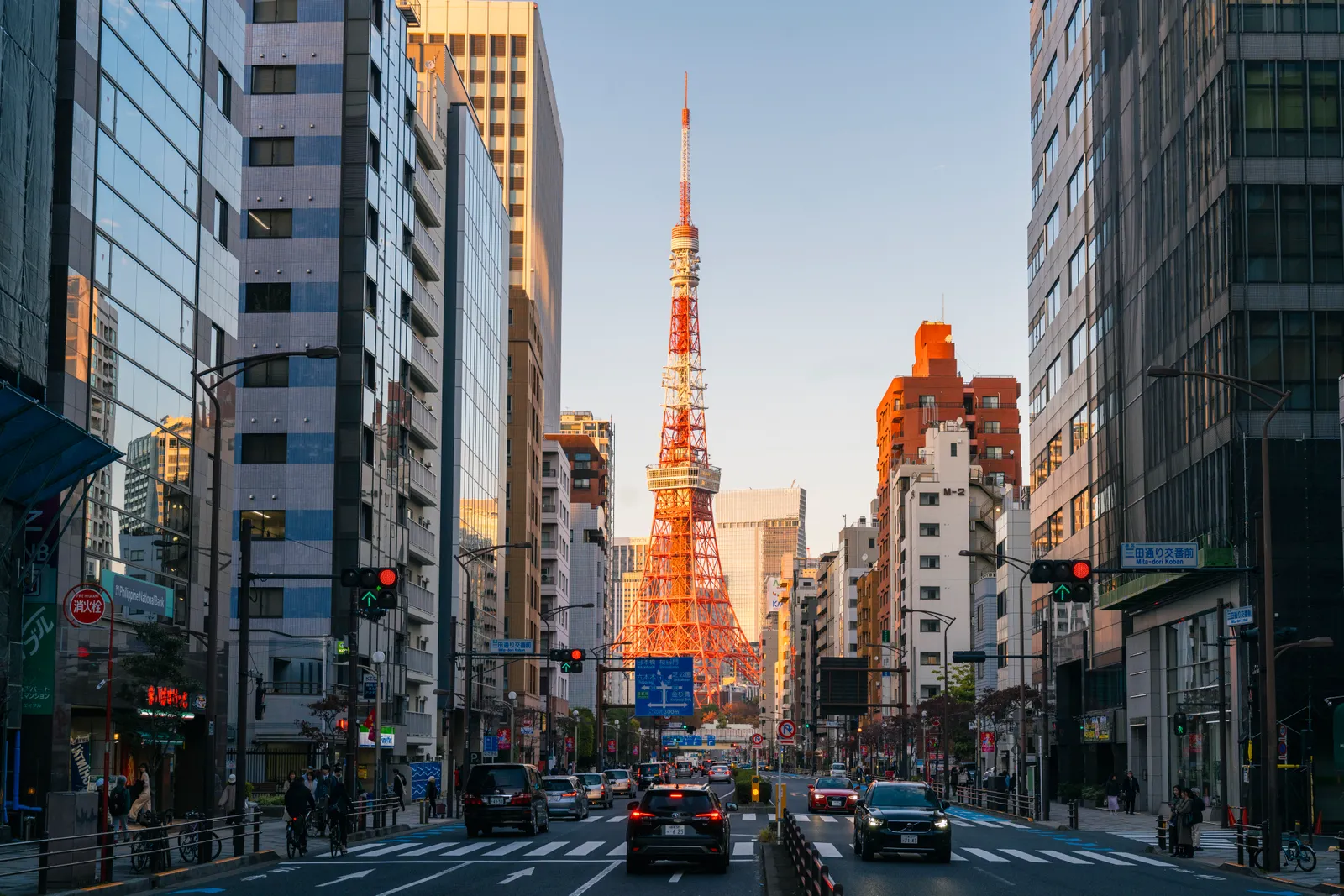
Japanese city view for relocation planning
Door-to-door moving support for major Japan destinations, storage timings and arrival access.

Easy Moving London begins by establishing what is being moved and the expected packed volume. We can then compare shared-container shipping, a dedicated 20-foot or 40-foot container and air freight. The best option depends on the amount being shipped, how quickly it is needed and whether the customer can accept a flexible delivery window.

A groupage service is often suitable for boxes, selected furniture and smaller household moves. Larger furnished homes may require a dedicated container. Air freight can be used for urgent essentials while the main shipment travels by sea.

The final address also affects the move. Deliveries to Tokyo, Yokohama, Osaka, Kobe and Nagoya may use different ports and road routes. Moves to Kyoto, Fukuoka, Hokkaido, regional cities and rural areas can require additional inland transport.

Japanese homes can be more compact than many UK properties, and building access may involve narrow streets, small lifts, staircases or restricted loading areas. Before shipping large furniture, customers should compare item dimensions with the destination doorway, lift, corridor and room measurements.

Easy Moving London manages the removals and shipping process. Immigration, tenancy and building-management matters remain separate and should be handled directly with the relevant employer, landlord, agent or authority.

Who is this service suitable for?

  • UK residents relocating to Japan for employment
  • Families moving to Tokyo, Yokohama, Osaka or another Japanese city
  • Japanese citizens returning after living in the UK
  • Couples moving the contents of a flat or small home
  • Students and researchers shipping personal effects
  • Businesses arranging employee relocations
  • Customers sending a part-load rather than a complete household
  • People requiring storage before export or after customs clearance

On This Page

  1. UK-to-Japan relocation services
  2. The international moving process
  3. Groupage, full containers and air freight
  4. Professional export packing
  5. Japan customs and unaccompanied baggage
  6. Documents commonly required
  7. Restricted and quarantine-controlled goods
  8. Cost of moving from the UK to Japan
  9. Shipping and delivery times
  10. Popular Japanese destinations
  11. Storage during a Japan relocation
  12. Cars, pets and employee relocation
  13. Moving checklist
  14. Frequently asked questions

UK-to-Japan Relocation Services

The exact services included will be confirmed in your written quotation. Depending on the shipment and destination, Easy Moving London can coordinate the following.

Home or Video Survey

A survey is used to estimate the packed volume, review access at the UK property and identify goods that need specialist preparation. It provides the information required to recommend a suitable shipping method and prepare a more accurate quotation.

Show the surveyor everything that may be included, including goods in a loft, garage, shed or storage unit. Identify artwork, mirrors, instruments, antiques, large televisions, exercise equipment, stone furniture, safes and unusually heavy items.

Professional Export Packing

Household goods travelling to Japan are handled more often than goods moved locally. Furniture and cartons may pass through the UK property, removals vehicle, export warehouse, shipping container, destination terminal and local delivery vehicle.

Professional export packing is designed to protect belongings through those stages. It can include suitable cartons, furniture wrapping, picture and mirror protection, dismantling of appropriate furniture and reinforced preparation for fragile or unusually shaped goods.

UK Collection

Collection can be arranged from a house, apartment, storage facility or business premises. Provide parking, staircase, lift, narrow-road and loading restrictions before the date is confirmed.

Accurate access information helps ensure the correct crew, vehicle and equipment are planned. A smaller transfer vehicle or additional labour may be required when the main removals vehicle cannot park close to the property.

Sea Freight to Japan

Sea freight is normally the most practical way to move furniture and larger household volumes. The goods may travel in a shared container or a container reserved solely for the customer.

Your quotation should state whether professional packing, UK collection, export handling, sea freight, Japanese customs support, destination handling and final delivery are included. A port-to-port freight rate is not equivalent to a complete door-to-door move.

Air Freight

Air freight can be used for a compact quantity of urgent belongings. Examples include clothing, work equipment, children's essentials and goods needed before the main sea shipment arrives.

Air freight is faster but generally more expensive for the space transported. Prices can be based on actual or volumetric weight, meaning large lightweight packages may cost more than expected.

Customs Documentation Support

Easy Moving London and the destination team can explain the normal paperwork for unaccompanied household goods. The process commonly involves the customer's passport, the customs-certified arrival declaration, a detailed inventory, the bill of lading or air waybill and an authorisation for the destination agent.

Japan Customs makes the final decision on relief, duty, inspection and release. Controlled or unusual goods should be identified before they are packed.

Destination Delivery

After customs release, the destination team arranges delivery to the stated Japanese address. Depending on the selected service, delivery may include unloading, basic reassembly of suitable furniture and removal of used packing materials.

Customers should check loading, parking, lift and management requirements directly with the building or responsible contact. Delivery may require a smaller vehicle where roads, entrances or parking areas are restricted.

Storage

Storage can be arranged when goods need to be held before export or after customs clearance. It can also be useful when a customer is moving into a smaller Japanese property and does not want every item delivered immediately.

Ask where the goods will be stored, how the fee is calculated, whether intake and release handling are separate, how much notice is needed and whether clearance must be completed before destination storage.

Business and Employee Relocation

Easy Moving London can coordinate household-goods shipments for employers relocating staff from the UK to Japan. The service can be organised around a relocation allowance, approved shipment volume, employee start date and internal authorisation process.

Clear communication between the employee, employer and moving team helps ensure that service changes and additional requests are documented before extra costs are incurred.

How Moving from the UK to Japan Works

Every relocation is different, but most UK-to-Japan household moves follow the same core stages.

  1. Initial Move Assessment

    Provide the UK collection postcode, intended Japanese destination, approximate shipment size and preferred moving period. Mention storage, specialist items and any fixed employment or travel dates.

  2. Home or Video Survey

    The survey establishes the expected packed volume and identifies access, packing and handling requirements. It also helps determine whether groupage, a dedicated container or air freight is appropriate.

  3. Written Quotation

    The quotation should explain the shipping method, packing scope, UK collection, destination service and exclusions. Review possible charges for inspection, duty, storage, restricted access and specialist handling.

  4. Service Selection

    Choose shared-container shipping, a dedicated container, air freight or a combination of methods. The decision should be based on measured volume and urgency rather than bedroom count alone.

  5. Pre-Move Customs Briefing

    Before travel, the customer should understand the Japan Customs arrival declaration. The unaccompanied shipment needs to be declared when entering Japan, and the certified declaration must be retained for later clearance.

  6. Packing and Collection

    The moving crew prepares, numbers and inventories the agreed goods. Keep passports, original documents, medication, jewellery, cash, keys and immediate essentials with you.

  7. Arrival in Japan

    Customers with unaccompanied household goods normally submit two copies of the Declaration of Accompanied Articles and Unaccompanied Articles to Customs when they enter Japan. One copy is returned with the customs certification and must be kept safely.

  8. Export and International Transport

    The shipment completes UK export handling and travels by the chosen sea or air service. Groupage consignments are consolidated with other shipments, while a dedicated container is reserved for one customer.

  9. Japan Customs Clearance

    When the shipment arrives, the destination agent submits the required documents, including the certified declaration and passport information. Customs may inspect the goods or request further details before release.

  10. Delivery in Japan

    After clearance, final transport is arranged to the stated address. The route and vehicle depend on the city, distance from the port and access at the destination property.

Shipping Household Goods to Japan

Shared containers, dedicated containers and air freight suit different move sizes. The correct option depends on volume, speed, budget and the amount of flexibility available.

Shared Container or Groupage Shipping

Groupage combines separately packed shipments from several customers in one container. Each customer pays according to the space occupied rather than the cost of reserving an entire container.

It can be suitable for boxes, selected furniture, smaller flats and customers who intend to purchase some household items after arriving in Japan.

The main consideration is timing. The shipment may wait for consolidation, and the shared container must be separated at destination. Groupage therefore normally has a broader estimated schedule than a dedicated container.

Dedicated 20-Foot Container

A 20-foot container may suit a medium-sized household shipment, depending on the measured packed volume. It gives one customer sole use of the container.

Sole use removes the need to wait for other household shipments to fill the same container and may offer a more direct sailing schedule. The container still needs to complete port handling, customs clearance and inland delivery.

Dedicated 40-Foot Container

A 40-foot container is usually considered for larger family homes and substantial furniture volumes. It may also suit a move containing many bulky items that occupy space without being especially heavy.

The surveyor will confirm whether the shipment justifies this capacity or whether another service would be more economical.

Air Freight to Japan

Air freight is the fastest option for suitable consignments. It is generally used for a limited number of urgent items rather than a fully furnished home.

Some customers divide the move between a small air shipment and a larger sea shipment. This provides access to essentials sooner without paying air-freight rates for furniture and non-urgent belongings.

Shipping Option Comparison

Shipping service Usually suitable for Main benefit Main consideration
Shared container or groupage Boxes, small flats and partial household moves Pay for the space used Broader departure and delivery window
20-foot dedicated container Medium household shipments Sole use of the container The volume must justify a full container
40-foot dedicated container Large homes and substantial furniture volumes High capacity Higher overall transport and handling cost
Air freight Urgent and low-volume consignments Fastest international transport Higher cost for larger or bulky goods

Professional Packing for a Move to Japan

Correct packing helps protect belongings during repeated handling and long-distance transport. It also creates an organised package inventory for the shipping and customs process.

Furniture can be wrapped, suitable cartons selected for different contents and fragile goods given additional protection. Custom cases may be recommended for artwork, antiques, mirrors, glass, stone or unusually shaped items.

Items that may need additional preparation

  • Pictures, mirrors and framed artwork
  • Glass tables and cabinets
  • Antiques and sculptures
  • Televisions, monitors and audio equipment
  • Musical instruments
  • Marble, stone and unusually heavy furniture
  • Large appliances
  • Bicycles and sports equipment
  • High-value collections
  • Goods requiring custom cases

Check furniture dimensions before shipping

Some Japanese properties have narrower internal access and less storage than a typical UK family home. Measure large sofas, wardrobes, bed frames, dining tables and appliances against the destination lift, doorway, corridor and room dimensions.

Removing furniture doors or dismantling an item can help in some cases, but not every product is designed to be dismantled and rebuilt safely.

Prepare furniture for local safety practices

Japanese households often secure tall furniture to reduce the risk of it falling during an earthquake. Customers should consider whether imported bookcases, wardrobes and cabinets can be safely anchored after delivery.

Any installation or wall fixing should be agreed separately and carried out in line with the property owner's rules and the wall construction.

Owner-packed cartons may be possible for some services, but insurance or shipment-protection terms can differ. Ask how owner-packed goods must be described and which items should only be prepared professionally.

Japan Customs and Unaccompanied Household Goods

Japan Customs treats household effects shipped separately from the passenger as unaccompanied articles. These can include household goods imported as part of a relocation, as well as personal belongings sent separately by sea, air, post or courier.

The customs procedure is closely connected to the customer's arrival in Japan. The declaration should be made when entering the country, even when the shipment has not yet arrived.

The arrival declaration

A customer with unaccompanied goods normally needs to submit two copies of the Declaration of Accompanied Articles and Unaccompanied Articles to Japan Customs at the airport or seaport of entry.

Customs reviews the declaration and returns one copy with a certification seal. This certified original is needed when the unaccompanied household shipment is cleared. It should be kept safely and provided to the destination agent as instructed.

Japan Customs states that unaccompanied baggage cannot be declared after entering Japan. Customers should therefore inform Customs about the shipment on arrival and not assume that the declaration can be completed later.

The six-month clearance period

Unaccompanied articles are, in principle, limited to goods that can be cleared by Customs within six months of the customer's entry into Japan.

The shipment may leave the UK before or after the customer travels, but the route and schedule should allow the goods to be cleared within the permitted period.

Duty relief for a relocation

Japan Customs states that passengers who have been abroad for more than one year, or who plan to stay in Japan for more than one year, may import qualifying household effects within six months of entry free of duty.

Household effects are defined as goods considered necessary for the individual and family to establish and maintain a home. The exemption should not be treated as an unlimited allowance for new merchandise, commercial stock or goods unrelated to the relocation.

Japan Customs makes the final decision on whether the customer and goods qualify. High-value goods, commercial cargo and items outside normal personal use can require general cargo procedures or payment of duty and tax.

Consignee and document consistency

The name used on the shipping document should match the person making the arrival declaration. If the shipment and customs declaration use different names, the destination team may not be able to apply the expected relief process.

Tell Easy Moving London promptly if the passport is renewed, the customer's name changes or another person is expected to receive the shipment.

Customs inspection

Japan Customs can inspect the shipment, open selected packages, compare the goods with the inventory and request values or additional documents.

Accurate descriptions and early disclosure of unusual goods can support the process, but no moving company can guarantee that a shipment will not be examined.

The information in this section is general guidance rather than legal or tax advice. Japan Customs and other relevant authorities make all final decisions.

Documents Commonly Needed When Moving to Japan

The exact checklist depends on the customer's status, goods, port and shipping method. Commonly requested documents can include:

  • Passport identity page
  • Japanese entry stamp or arrival record
  • Residence card or immigration documentation where applicable
  • Certified Declaration of Accompanied Articles and Unaccompanied Articles
  • Detailed packing list or inventory
  • Bill of lading for sea freight
  • Air waybill for air freight
  • Authorisation letter or power of attorney for the destination agent
  • Destination address and Japanese contact details
  • Employment or assignment evidence where requested
  • Invoices or valuations for new and high-value goods
  • Permits, certificates or approvals for controlled goods
  • Vehicle documents where a car is imported separately

The inventory should clearly describe the goods. Examples include “used kitchen utensils”, “adult clothing”, “children's books”, “bedding”, “used ornaments” and “small household electrical items”. Avoid describing every package simply as “miscellaneous”.

Package numbers on the inventory should correspond with the labels on the cartons and wrapped furniture. This allows the destination team and Customs to identify specific goods where a question arises.

Keep electronic copies of the main documents available while the shipment is in transit. The certified customs declaration should be protected carefully because the original may be needed for clearance.

Restricted, Quarantine-Controlled and Prohibited Goods

Japan applies strict controls to plants, food, animals, medicines and other regulated products. Goods should be checked before packing rather than after the shipment has reached the port.

Plants and plant products

Japan's Plant Protection Station states that plants imported as cargo, baggage or post are generally subject to plant-quarantine rules. A government-issued phytosanitary certificate and import inspection may be required regardless of the quantity or intended use.

Soil and plants attached to soil are prohibited. Seeds, bulbs, cut flowers, fruit, vegetables, grains, beans, timber and plant-based materials can require inspection or may be prohibited depending on their origin.

Do not include houseplants, soil, seeds or untreated plant materials without written clearance from the appropriate plant-quarantine authority and destination agent.

Food, meat and animal products

Japan strictly regulates meat, meat products, fresh produce and other agricultural goods. Many items cannot be brought into the country or require official inspection and certification.

Household shipments should generally exclude food unless the destination team has confirmed that a specific sealed product can be imported and documented correctly.

Medicines and medical products

Medicines that are ordinary in the UK may be restricted in Japan or limited to a personal-use quantity. Some medicines and medical devices can require advance approval.

Keep necessary medication with you in its original packaging, together with the prescription or supporting medical letter. Check the current Japanese rules before travel and do not place essential medication in the sea shipment.

Other goods requiring attention

  • Alcohol and tobacco
  • Food and agricultural products
  • Plants, seeds, soil and untreated wood
  • Medicines, supplements and medical devices
  • Animals and animal products
  • Hazardous chemicals and flammable goods
  • Fireworks and explosive materials
  • Weapons and ammunition
  • Drones and radio-transmitting equipment
  • Commercial stock and goods intended for resale
  • Counterfeit goods and prohibited media
  • Any item requiring an import licence or approval

Items to keep with you

  • Passports and original immigration documents
  • The certified customs declaration after arrival
  • Prescription medication and supporting medical documents
  • Cash, jewellery and irreplaceable valuables
  • Keys and important tenancy or employment paperwork
  • Phones, laptops and chargers needed immediately
  • Several weeks of clothing and essential toiletries
  • Children's immediate-use items
  • Important school and veterinary records

How Much Does It Cost to Move from the UK to Japan?

There is no single reliable price for a UK-to-Japan move. The total depends on the shipment volume, shipping method, destination, packing, collection access, customs, delivery, storage and specialist requirements.

Shipment Volume

Volume is usually one of the largest cost factors. International household shipments are measured in cubic feet or cubic metres after allowing for export packing.

A survey is more accurate than an estimate based only on bedroom count. Two homes with the same number of rooms can contain very different quantities of furniture, books, clothing and stored belongings.

Decluttering before the survey can reduce packing and freight costs. Compare the cost of shipping bulky, low-value furniture with replacing it in Japan, particularly where the destination property is smaller.

Shipping Method

Groupage spreads the container space and transport cost between customers. A dedicated container provides sole use but assigns the complete container cost to one move. Air freight is faster and generally more expensive for larger volumes.

Destination City

Delivery to a major port region can be priced differently from an inland or island destination. Tokyo and Yokohama moves commonly use the Tokyo Bay area, while Osaka, Kobe, Nagoya, Fukuoka and Hokkaido require route-specific planning.

UK Collection Access

Parking restrictions, stairs, long carrying distances and difficult road access can affect labour and vehicle costs. Provide the full postcode and accurate access information before the quotation is finalised.

Japan Delivery Access

Narrow roads, limited vehicle access, small lifts, staircases and restricted loading times can affect the final delivery. A smaller vehicle or additional carrying work may be needed for some properties.

Packing and Specialist Handling

A complete export-pack service requires more labour and materials than a limited service. Artwork, antiques, musical instruments, stone, safes and other unusual items may require custom packing or specialist equipment.

Storage

Storage charges may include intake handling, a weekly or monthly rate and a later release or delivery fee. Ask where the goods will be stored, the minimum period and how much notice is required.

Customs, Inspection and Quarantine

Qualifying household effects may receive duty relief when the customer meets the relevant conditions and follows the unaccompanied-goods procedure. Goods outside the relief, customs inspection, quarantine action or controlled items can create additional charges.

Insurance or Shipment Protection

Ask what protection is included, what optional cover is available and how high-value and owner-packed goods must be declared. Keep invoices, photographs and valuations where appropriate.

Questions to ask when comparing quotations

  • Is the quotation door to door or port to port?
  • Does it include professional export packing?
  • Does it include collection from my UK address?
  • Is the shipment groupage or a dedicated container?
  • Which Japanese port will be used?
  • Does it include customs-clearance handling?
  • Does it include delivery to my exact Japanese address?
  • Are unpacking and furniture reassembly included?
  • Which inspection, duty or quarantine charges are excluded?
  • What access or shuttle charges could apply?
  • What storage costs could be added?
  • What insurance or shipment-protection options are available?
  • How long is the quotation valid?

Request a tailored Japan removals quote
How Long Does Shipping from the UK to Japan Take?

Published UK moving-company estimates commonly place full-container sea freight at approximately six to nine weeks and shared-container or groupage services at around eight to twelve weeks. Some providers quote approximately seven to eight weeks for a sole-use container and eight to ten weeks for smaller crated consignments.

These estimates are planning guides rather than guaranteed door-to-door delivery dates. The total move includes packing, UK collection, export handling, possible consolidation, sea transit, customs clearance and final delivery.

Air freight is considerably faster for suitable shipments, but collection, documentation, customs and delivery still add time around the flight.

Factors that can affect the schedule

  • Groupage consolidation time
  • Container and vessel availability
  • UK collection arrangements
  • Export-port handling
  • Shipping-route changes
  • Transhipment where applicable
  • Port congestion and weather
  • The customer's arrival date
  • The certified customs declaration
  • Customs review or physical inspection
  • Plant, animal or other quarantine checks
  • Controlled-item approvals
  • Inland or island delivery
  • Storage instructions
  • Building delivery restrictions

Keep sufficient clothing, medication, work equipment and household essentials with you. Do not plan around a fixed delivery date unless the selected service expressly provides one.

Relocation Services Across Japan

Moving to Tokyo

Tokyo is one of the most common destinations for UK relocations. Deliveries may involve high-rise apartments, compact streets, controlled loading areas and strict building procedures. Provide the ward, building name and access information as early as possible.

Moving to Yokohama

Yokohama is a major port city within the wider Tokyo metropolitan region. It can provide a practical route for household shipments destined for Kanagawa and nearby areas. Final delivery planning still depends on the individual address.

Moving to Osaka or Kobe

Osaka and Kobe are major destinations in the Kansai region. Shipment routes, customs arrangements and local delivery can be planned through the appropriate port and destination network.

Moving to Kyoto

Kyoto is inland from the major Kansai ports and may require onward transport after customs release. Older neighbourhoods and narrow streets can require a smaller delivery vehicle or additional carrying work.

Moving to Nagoya

Nagoya is a major industrial and residential centre with its own port region. Easy Moving London can discuss household and employee relocation services to Nagoya and surrounding parts of Aichi Prefecture.

Moving to Fukuoka or Kyushu

Fukuoka is the largest city in Kyushu and a common destination for work and study. Moves elsewhere in Kyushu may require additional inland delivery after customs clearance.

Moving to Sapporo or Hokkaido

Hokkaido is separated from Japan's main island and requires a different onward route. Allow additional time and cost for the final transport, particularly for destinations outside the Sapporo area.

Moving to Another Japanese City

Easy Moving London can discuss routes to other destinations, including Sendai, Hiroshima, Nara, Shizuoka, Chiba, Saitama and regional areas. Provide the full postcode or prefecture so that the port and delivery route can be assessed.

Cars, Pets and Employee Relocation to Japan

Shipping a Vehicle to Japan

A vehicle follows a separate customs and registration process from ordinary household goods. Japan Customs states that a previously used vehicle imported as part of a transfer of residence requires a general cargo import declaration and supporting documents.

The customs file can include proof that the vehicle was used before entry and evidence that the customer entered Japan to transfer residence. Japan Customs also states that qualifying vehicles receiving duty exemption must not be sold or given to another person within two years of import permission.

Customs relief does not remove the need to meet Japanese registration, inspection, emissions, safety and insurance requirements. Modifications can be costly, so compare the total landed and registration cost with purchasing a suitable vehicle after arrival.

Moving Pets to Japan

Dogs and cats must undergo import quarantine. For animals arriving from a non-designated region such as the UK, the process commonly includes an approved microchip, at least two rabies vaccinations, a rabies antibody test, a waiting period and a health certificate issued or endorsed by the exporting country's authority.

Japan's Animal Quarantine Service states that animals meeting all import requirements can normally complete arrival quarantine within twelve hours. Animals that do not meet the requirements may be held for up to 180 days.

Pet relocation should be started months in advance with a specialist provider. The pet travels separately from the household container.

Corporate and Employee Moves

Employers may need a defined shipment allowance, approval procedure and reporting structure. Easy Moving London can coordinate the physical move with the employee and the nominated employer contact.

The service can include a survey, packing, storage, international shipping and delivery, with requested changes documented before additional costs are approved.

Small Moves and Boxes

Customers do not need to fill a container. Boxes, books, clothing, sports equipment and selected furniture can often travel by groupage or air freight.

Provide carton dimensions, weights where known, photographs or an item list so the volume can be estimated and the appropriate service recommended.

UK-to-Japan Relocation Checklist

Eight to Twelve Weeks Before Collection

  • Request detailed international-removal quotations.
  • Arrange a home or video survey.
  • Confirm the destination city and prefecture.
  • Decide what will be shipped, sold, donated or stored.
  • Compare large furniture dimensions with the Japanese property.
  • Identify plants, food, medicines and quarantine-controlled goods.
  • Discuss pets and vehicles as separate import processes.
  • Check the relevant immigration route independently.

Four to Eight Weeks Before Collection

  • Choose the moving company and shipping service.
  • Review the written quote and exclusions.
  • Complete insurance or shipment-protection documentation.
  • Gather passport and destination information.
  • Arrange storage where required.
  • Prepare invoices or valuations for relevant goods.
  • Ask for written instructions about the arrival customs declaration.

One to Four Weeks Before Collection

  • Confirm parking and access at the UK property.
  • Remove food, plants, soil and unapproved controlled goods.
  • Separate passports, medication, valuables and immediate essentials.
  • Back up computers and important digital files.
  • Photograph high-value items.
  • Check names across the passport and shipping documents.
  • Provide the most accurate Japanese address available.

When Entering Japan

  • Declare the unaccompanied household shipment to Customs.
  • Submit two copies of the required customs declaration.
  • Check that Customs certifies and returns one copy.
  • Keep the certified original safe.
  • Send a copy to the destination agent as instructed.
  • Do not leave the airport or port assuming the declaration can be made later.

Before Delivery in Japan

  • Remain available during customs clearance.
  • Provide the certified declaration and requested documents promptly.
  • Confirm the complete address and Japanese contact number.
  • Check delivery hours, parking and lift arrangements.
  • Ensure an authorised adult can receive the shipment.
  • Inspect goods as they are delivered.
  • Report visible loss or damage under the applicable procedure.

Why Use Easy Moving London for a Relocation to Japan?

A Japan relocation requires more than booking container space. The survey, packing, shipping method, arrival declaration, customs documents and final delivery all need to work together.

Easy Moving London helps coordinate those stages from the UK. We assess the shipment, explain the practical differences between groupage, dedicated containers and air freight, and work with the destination team through customs clearance and delivery.

We also encourage customers to compare complete quotations. A low port-to-port freight rate may exclude export packing, UK collection, customs handling, storage, access charges and delivery to the final Japanese address.

Add Easy Moving London's verified years of experience, accreditations, customer-review score, insurance arrangements, UK collection coverage and Japan destination partner information to this section before publishing.

Moving to Japan from the UK: Frequently Asked Questions

How much does it cost to move from the UK to Japan?

The cost depends on shipment volume, groupage or dedicated-container service, destination city, packing, UK collection access, Japanese delivery access, storage and specialist items. A survey followed by a written door-to-door quotation is the most reliable way to establish the cost.

How long does it take to ship household goods to Japan?

Published UK moving-company estimates commonly place full-container sea freight at approximately six to nine weeks and groupage at around eight to twelve weeks. Customs and final delivery require additional time. All dates remain estimates.

What is the cheapest way to move belongings to Japan?

Groupage is often economical for a smaller, non-urgent shipment because the customer pays for the space used. Compare the complete service, including packing, collection, customs support and delivery, rather than freight alone.

Can I ship only boxes to Japan?

Yes. Boxes and smaller personal-effects consignments can often travel through groupage or air freight. Provide carton dimensions, weights where known and the collection and delivery locations when requesting a quote.

Do I need a full shipping container?

Not necessarily. A dedicated container is normally recommended when the measured packed volume justifies sole use. Smaller moves can share container space.

What is groupage shipping?

Groupage combines separately packed shipments from several customers in one container. Each customer pays for the space occupied. It is generally suited to smaller flexible moves and normally has a broader estimated schedule.

What must I do when I arrive in Japan?

Customers with unaccompanied household goods normally need to submit two copies of the Declaration of Accompanied Articles and Unaccompanied Articles to Customs at entry. Customs returns one certified copy, which must be retained for clearance.

Can I declare my unaccompanied goods after entering Japan?

Japan Customs states that unaccompanied baggage must be declared upon arrival and cannot be declared after entering Japan. Follow the destination agent's instructions before travel.

How long do I have to import my household goods?

Unaccompanied articles are, in principle, limited to goods that can be cleared within six months of the customer's arrival in Japan.

Are household goods duty free in Japan?

Japan Customs states that passengers who have been abroad for more than one year, or who plan to stay in Japan for more than one year, may import qualifying household effects within six months of entry free of duty. Customs makes the final decision on eligibility and the goods covered.

What documents are needed for Japan customs clearance?

Common documents include the passport, certified arrival declaration, detailed inventory, bill of lading or air waybill and authorisation for the destination agent. Additional documents may be required according to the goods and customer status.

What happens if I lose the certified customs declaration?

The certified original is important for the unaccompanied-goods clearance and expected duty-relief process. Contact the destination agent and Japan Customs immediately if it is lost. Do not assume it can be replaced automatically.

Will Japan Customs inspect my shipment?

Japan Customs can select a shipment for inspection, open packages, compare the goods with the inventory and request values or documents. No moving company can guarantee that inspection will not occur.

Can I ship plants or food to Japan?

Japan applies strict plant and animal-quarantine rules. Plants can require a phytosanitary certificate and inspection, while soil and many food or agricultural products are prohibited or controlled. These items should generally be excluded unless written approval has been obtained.

Can I ship medicines with my household goods?

Medicines can be restricted or limited to a personal-use quantity. Keep essential medicine with you and check the current Japanese import rules. Some medicines and medical products require advance approval.

Will my UK furniture fit in a Japanese home?

It depends on the property. Measure large items against the destination doorway, corridor, lift, staircase and room dimensions. Japanese properties can have compact access and less storage than a typical UK home.

Can you collect from anywhere in the UK?

Add Easy Moving London's confirmed UK collection coverage before publishing. Customers should provide the full postcode and property access details because distance and access affect the quotation.

Can you deliver anywhere in Japan?

Moving services can be discussed for Tokyo, Yokohama, Osaka, Kobe, Kyoto, Nagoya, Fukuoka, Sapporo and other destinations. Inland, island and remote delivery can require additional transport and time.

Can my belongings be stored during the move?

Storage may be available before export or after customs clearance. Confirm the location, recurring rate, handling fees, minimum period, release notice and later delivery arrangements.

Can I ship a car from the UK to Japan?

Vehicle importation may be possible but follows a separate customs, inspection, compliance, registration and insurance process. Qualifying duty-exempt vehicles must not be sold or given to another person within two years of import permission.

Can you help move pets to Japan?

Pet transport should be arranged through a specialist provider. Dogs and cats require advance veterinary preparation and import quarantine. Incomplete preparation can result in quarantine for up to 180 days.

Do I need insurance for an international removal?

Suitable cover should be considered because an international shipment passes through multiple handling and transport stages. Ask what protection is included and how high-value or owner-packed goods are treated.

When should I book a move to Japan?

Starting around eight to twelve weeks before collection gives more time for a survey, quotation, document preparation and shipping choice. Begin earlier when pets, vehicles or a fixed employment start date are involved.

Start Planning Your Move to Japan

Tell Easy Moving London what you need to move, where it is being collected and which part of Japan it needs to reach. We can assess the shipment, explain the available sea and air options and prepare a quotation for your UK-to-Japan relocation.

Request a free Japan relocation quote