Before you start
Read the city through its rock, planned streets, books, scientific collections and waterways. Distinguish the date of an institution from that of its present building, and check current visitor arrangements before setting out.
1. Castle Rock is the remnant of a volcano
Edinburgh Castle’s dramatic position is grounded in geology. The castle’s official interpretation explains that Castle Rock formed from molten material within an ancient volcano. The setting is not simply an artificial platform created for the fortress.
Look at the relationship between the rock, the building and the approaches from different parts of the city. It helps explain why a place can seem close on a map but involve a substantial change in level. There is no need to treat every hill as an interchangeable “extinct volcano”; the interesting work is understanding the particular formation and how people built around it.
2. The Old and New Towns form one World Heritage property
UNESCO inscribed Edinburgh’s Old and New Towns in 1995. Their importance includes the contrast between the older city’s development and the formal planning of the New Town. “New” is therefore a historical relationship, not a claim that its streets were created recently.
Compare the shape of the streets and the way buildings meet them. A route through closes and changing levels creates a different experience from a planned street or square. Rather than using the UNESCO label as a reason to hurry around every named place, choose a small area and look carefully. The contrast itself is one of the facts that makes the city legible.
3. Edinburgh’s botanic garden began as a medicinal garden
The Royal Botanic Garden Edinburgh dates its foundation to 1670, when a physic garden near Holyrood Abbey grew plants for medicinal study. Its beginnings and present scientific role extend beyond the idea of a decorative green space.
That history suggests a different way to visit: notice the labels, the arrangement of collections and the connection between a living plant and the work of understanding it. The founding location was not simply identical to today’s garden. As with other long-established institutions, following its moves and changing purposes tells you more than attaching the foundation year to whichever building you happen to photograph.
4. The National Museum contains buildings from different eras
National Museums Scotland’s history records the opening of the Chambers Street museum building in 1866 and the new Museum of Scotland building in 1998. The museum’s architecture therefore offers a visible conversation between different periods as well as the objects displayed inside.
When exploring, pause to look at how spaces are arranged and how one part relates to another. A museum can be read as a designed environment: light, structure and circulation affect the way you encounter collections. Choose a few subjects that interest you and leave time to look at the building itself. You do not have to see every gallery to make a first visit worthwhile.
5. Edinburgh became a UNESCO City of Literature in 2004
The UNESCO UK profile identifies Edinburgh as the first City of Literature, designated in 2004. This belongs to the Creative Cities Network, distinct from the World Heritage status of its historic urban property.
Books provide a useful way into a place beyond a conventional sightseeing list: follow a subject, writer, reading event or local library interest. Compare the different creative fields in our Bristol facts and Glasgow facts. Film, literature and music are connected through cultural work, but they are not the same designation and do not replace the history of the streets around them.
6. Britannia’s Edinburgh visitor story began after its royal service
The Royal Yacht Britannia’s official timeline records its decommissioning in 1997, arrival in Leith in 1998 and opening there as an attraction that October. The vessel’s working career and its present museum role are different chapters.
If visiting, consider how a ship combines public rooms, operational spaces and the work of a crew. That gives you a richer question than simply identifying the most elaborate interior. Check the current access and visitor arrangements directly. Its presence also provides a reason to explore Edinburgh beyond the central skyline, while recognising that the journey to a particular attraction is part of the day’s plan.
7. The Water of Leith Walkway connects a long corridor through the city
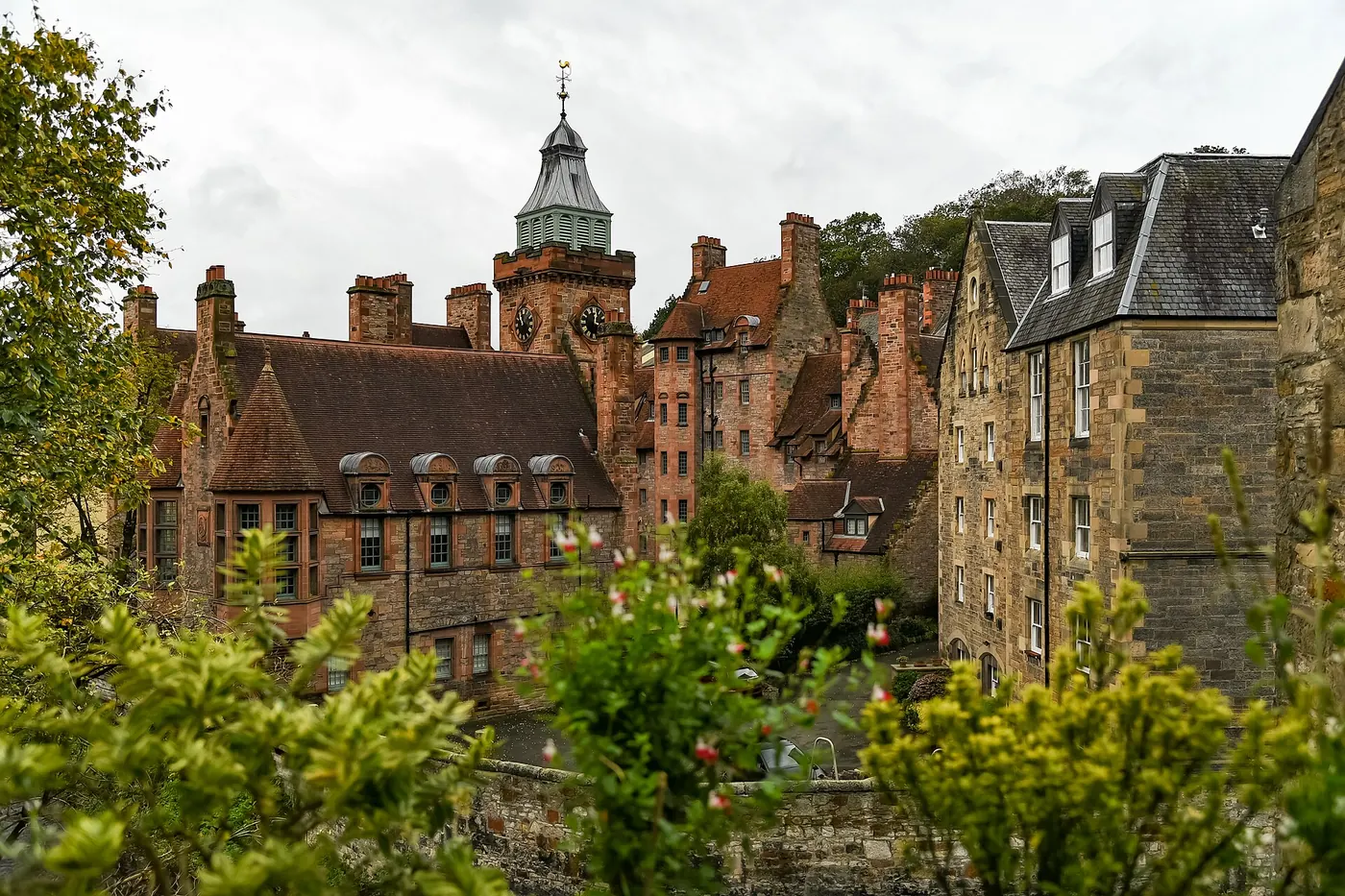
The Water of Leith Conservation Trust describes a walkway of approximately 13 miles from Balerno to Leith. It is a route connecting different settings, rather than one small riverside attraction that can be understood from a single photograph.
Choose a section that suits the time and walking range available. Check current path information and the return journey instead of assuming the entire route needs to be completed at once. A short repeatable walk can reveal changing buildings, habitats and neighbourhood connections. For a new resident, learning one such route thoroughly is often more useful than memorising a distant list of places you rarely have time to reach.
Use a theme to explore the city and organise the practical move
Make a first outing around one theme, such as geology and the skyline or collections and science, with time for the journeys between places. Confirm the opening and access information for each attraction directly. If choosing a home, our moving plan guide helps keep property decisions and handover jobs separate from the enjoyable research.
Discuss the actual route and inventory through house removals. If the dates need a gap, assess storage with onward delivery included. Carry personal essentials separately, leaving the first days manageable enough to begin exploring Edinburgh at a pace that lasts beyond the first visit.
Common questions
Why is Edinburgh’s New Town called new?
The name distinguishes its planned development from the older city. It does not mean that the district is a recent construction.
Are Edinburgh’s UNESCO literature and heritage designations the same?
No. City of Literature is a Creative Cities designation, while the Old and New Towns form a separately inscribed World Heritage property.
Do I need to walk the whole Water of Leith route?
Choose a section that fits your time, mobility and return journey. Use current route information rather than assuming every part is equally suitable on the day.
Official information for your planning
Source links checked on 19 October 2026. Recheck current requirements and visitor information before making plans.
- Edinburgh Castle: official large-print interpretation
- UNESCO: Old and New Towns of Edinburgh
- Royal Botanic Garden Edinburgh: history
- National Museums Scotland: museum history
- UNESCO in the UK: Edinburgh City of Literature
- The Royal Yacht Britannia: historical timeline
- Water of Leith Conservation Trust: walkway
Make a plan for your move
Send your collection postcode, destination, inventory and likely dates so your quotation can reflect the actual move.
Request a moving quote